When you hear “Montessori,” do you think of a classroom with beautiful wooden materials and children working quietly? There’s so much more beneath the surface! For international families in Marbella who value respectful, holistic education, understanding these hidden gems of the Montessori method reveals exactly why it’s such a unique approach.
- Children Choose Their Own Work, With Purpose
In a Montessori classroom, children don’t just follow a schedule dictated by a teacher. Instead, they select their activities independently from a careful selection of materials, allowing them to follow their innate curiosity and focus deeply on what truly interests them. This principle of “freedom within limits” fosters an early love of learning, responsibility, and self-motivation: skills that last a lifetime.
- Multi-Age Classrooms Create a Unique Social Community
Montessori groups children in multi-age classrooms (usually spanning three years). Younger children learn by observing older peers, while older students reinforce their knowledge by guiding the younger ones. This natural social structure promotes empathy, leadership, and a true sense of community, which is especially valuable for children from diverse backgrounds who are new to Marbella.
- Teachers Are Guides, Not Bosses
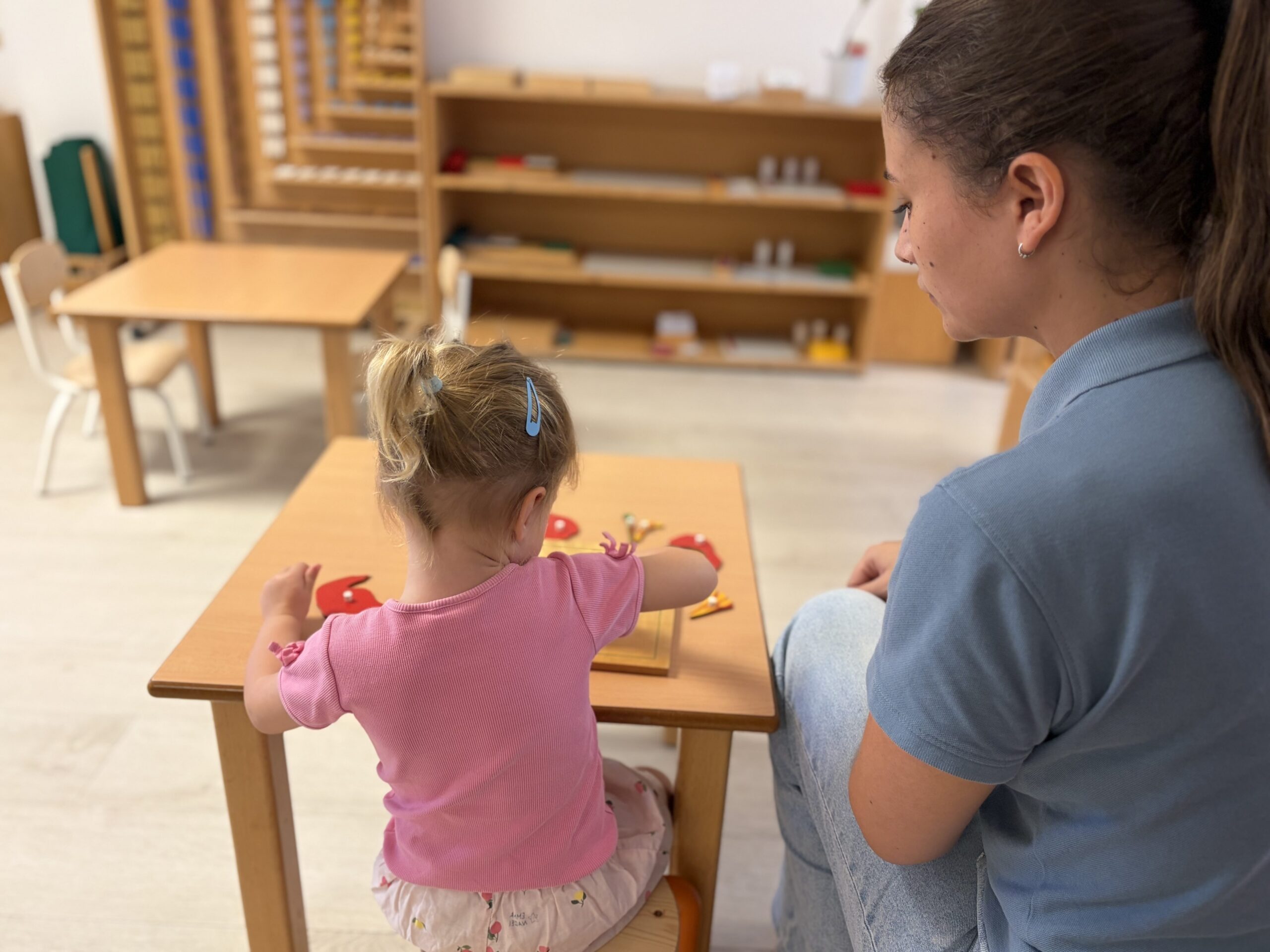
Forget the image of a traditional teacher at the front of the class! In Montessori, adults act as guides or facilitators: preparing the environment, observing each child’s needs, and introducing lessons at just the right moment for that individual child. They model respect, patience, and independence, helping children build confidence and emotional intelligence.
- Learning is Hands-On (and Based in Real Life)
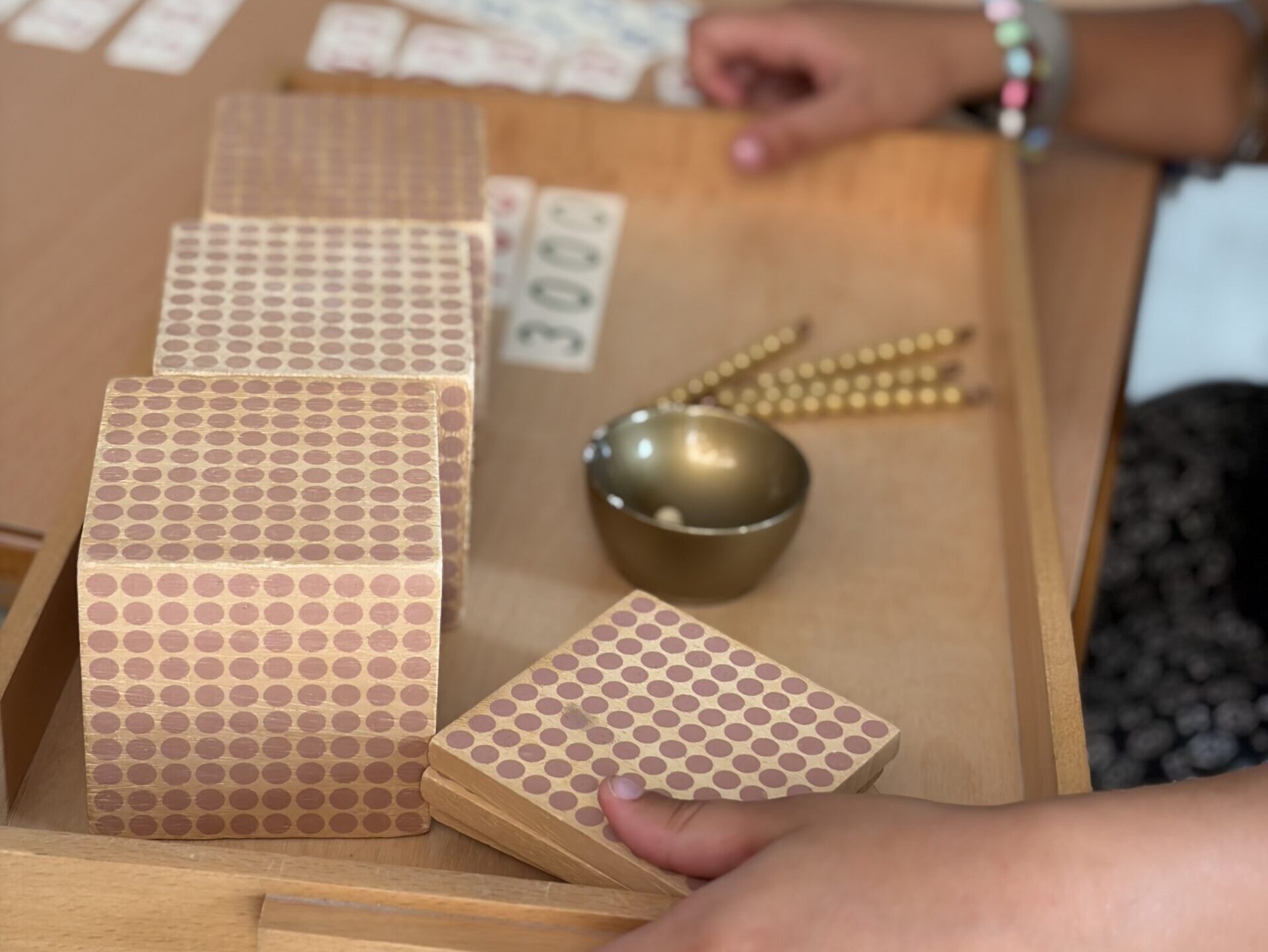
Montessori isn’t about rote memorization. Instead, children learn through hands-on materials that encourage exploration, discovery, and problem-solving. These materials are beautiful, inviting, and scientifically designed to support each stage of development, whether it’s the Pink Tower or math beads. Children are encouraged to practice self-correction and perseverance, building genuine mastery.
- Montessori Develops the Whole Child
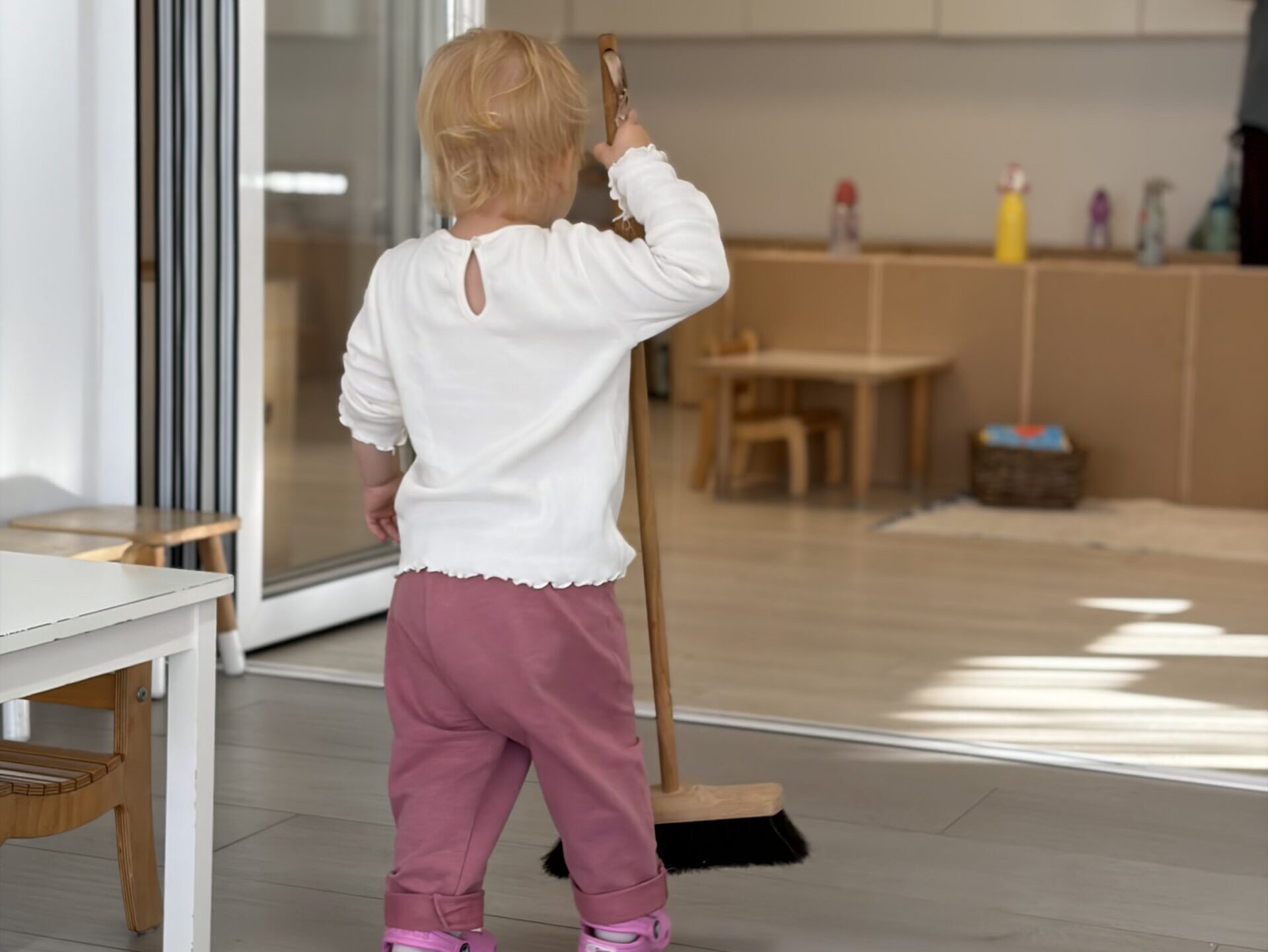
Montessori isn’t only academic; it supports children’s growth emotionally, socially, physically, and cognitively. From conflict resolution to practical life skills (like caring for themselves and their environment), each aspect of the classroom aims to nurture independence, adaptability, and joy in learning, preparing students not just for school, but for life.