If you’ve ever wondered what makes a Montessori classroom so unique, you’ll quickly discover that the role of the adult is at the very heart of the approach. Rather than acting as a traditional teacher or authority figure, the adult in Montessori serves as a guide, offering support, encouragement, and respect for each child’s pace and individuality.
What Does a Montessori Guide Actually Do?
In a Montessori environment, the adult’s main focus is to create a space where children feel empowered to explore, learn, and grow independently. Here’s how this plays out in daily classroom life:
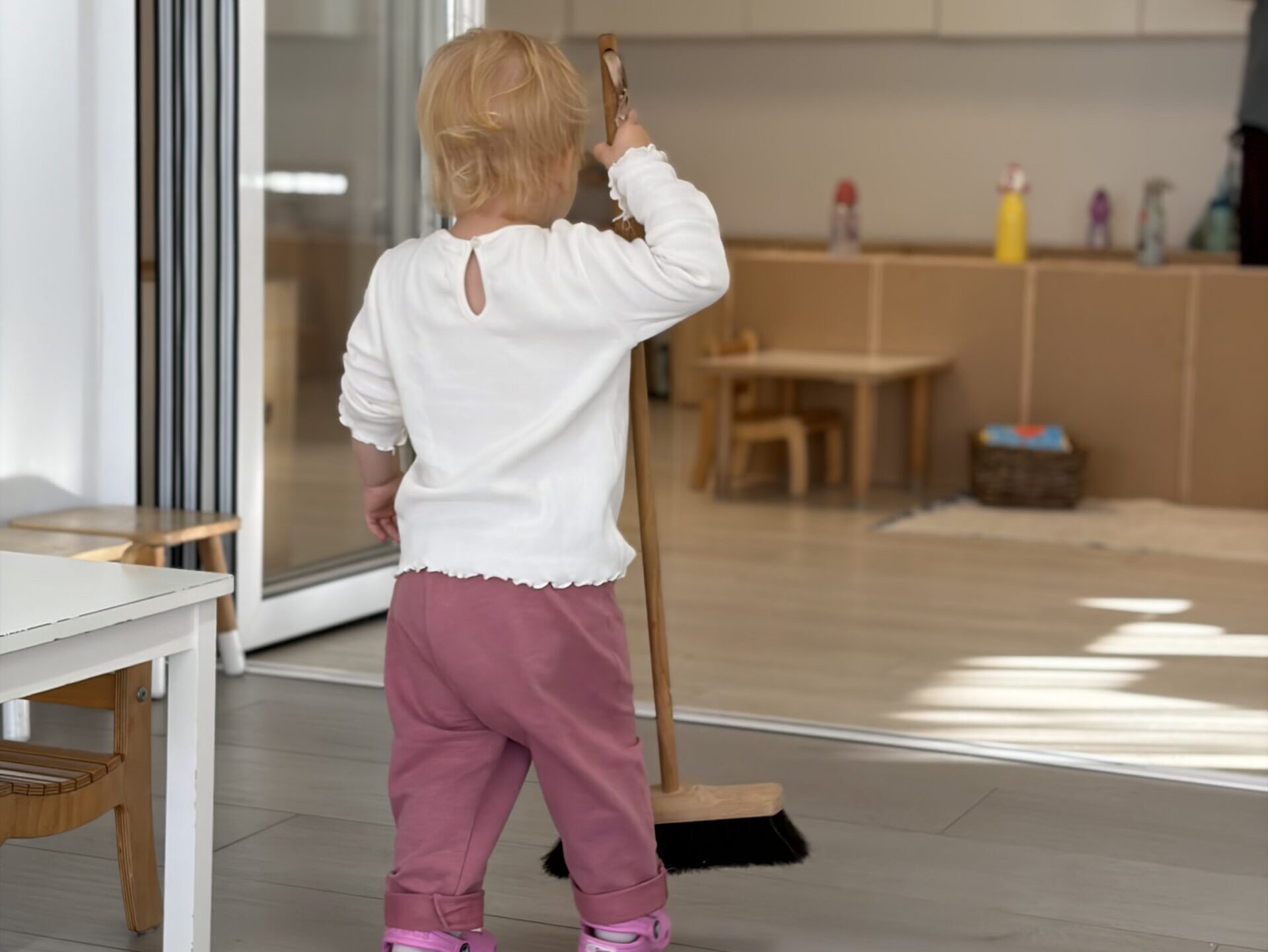
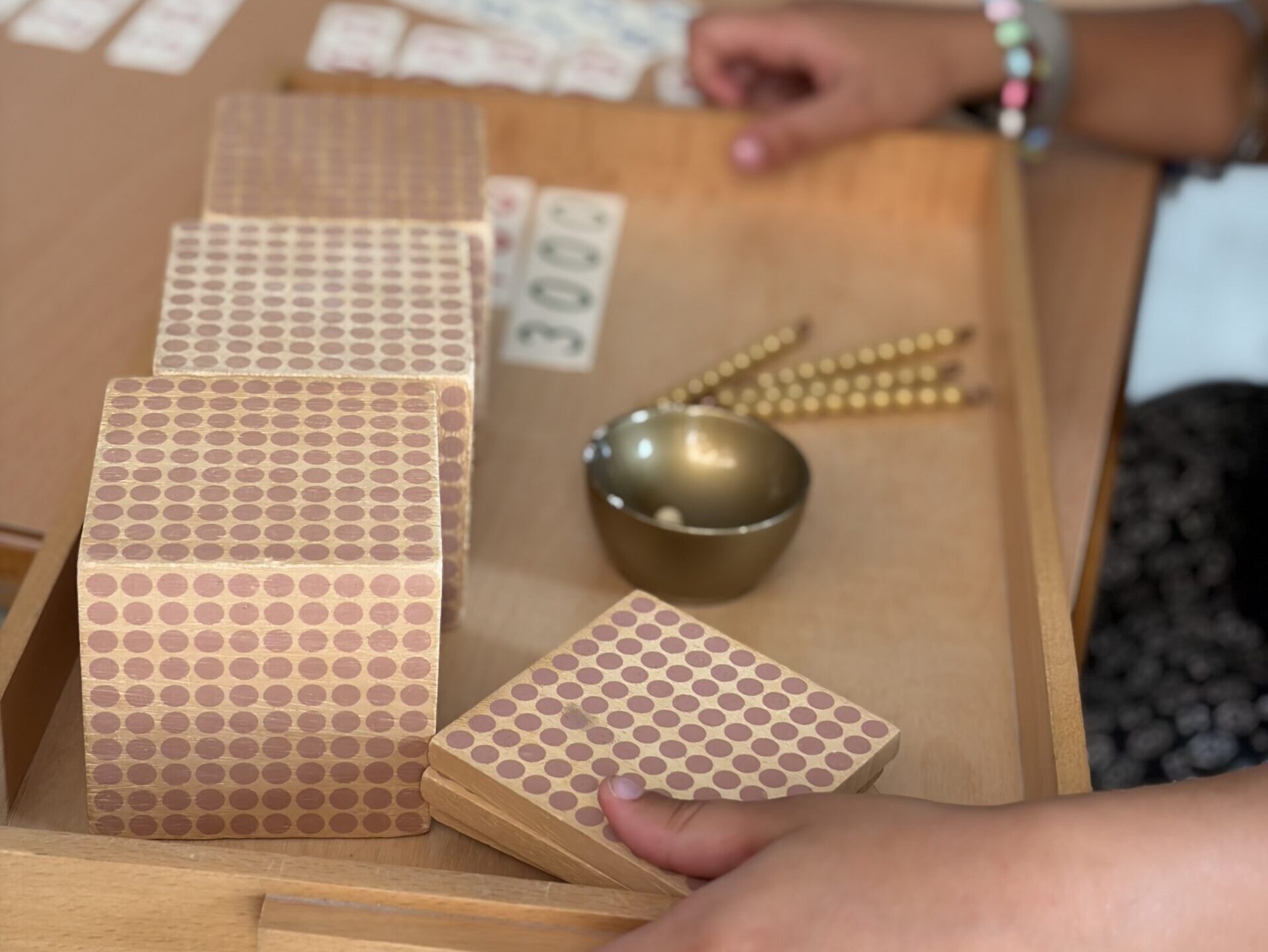
- Preparing the Environment: Montessori guides meticulously organize classrooms to be calm, ordered, and rich with meaningful materials. Everything is accessible to the child, fostering independence and confidence from the start.
- Observing, Not Directing: Rather than leading lessons in a one-size-fits-all way, the adult spends a lot of time observing each child’s needs, interests, and progress. This allows the guide to introduce the right activity at just the right moment.
- Respecting Individual Rhythms: Every child grows and learns differently. Montessori adults resist the urge to compare or hurry; instead, they protect each child’s right to learn at their natural pace.
- Modeling, Not Correcting: Children in Montessori learn by example. Adults show how to use materials and interact respectfully, empowering children to try tasks themselves. Mistakes are seen as opportunities to learn, not something to punish or correct harshly.
- Fostering Emotional Development: A Montessori guide supports children’s social and emotional growth, teaching conflict resolution and emotional literacy through gentle guidance and clear boundaries.
Why It Matters to International, Consciously-Minded Families
For families moving to Marbella or seeking an international, respectful approach to education, the Montessori adult is a true partner. Here’s why this matters to you:
- Consistency with Home Values: If you practice respect, autonomy, and non-punitive discipline at home, you’ll find your child’s experience at a Montessori school to be genuinely aligned.
- Supporting Multicultural Integration: With students and guides from diverse backgrounds, the Montessori environment encourages inclusion and celebrates each child’s unique culture and language.
- A Warm Welcome for Newcomers: The role of the adult extends to the whole family. Guides help parents and children integrate smoothly, providing a nurturing bridge to a new community.
Key Benefits of the Montessori Adult Approach
- Promotes self-motivation and love of learning
- Encourages emotional intelligence and independence
- Builds calm and confidence in the classroom
- Creates a safe, welcoming space for expatriate and local families alike
Final Thoughts
When you visit a Montessori classroom, take a moment to observe the adults. Notice how they interact: with calm, purpose, and deep respect for each child. The Montessori adult isn’t just a teacher; they are a skilled observer, a gentle guide, and a steadfast supporter of holistic child development.